
In the last blog we talked about how to choose the perfect hiking trousers for hiking in Alpine terrain year round. This blog is about finding your ideal hiking jacket. A good hiking jacket has to do it all: keep you warm, stay breathable, protect you from rain and still look good on the trail.
Just like hiking trousers, a hiking jacket is a year-round staple in your sports wardrobe when hiking in the alpine mountains, or anywhere else. It is something you either wear or carry in your backpack on every hike. In this blog I will explain the function of the hiking jacket, the different types of jackets, when you should wear what kind of outer layer and what to look for when buying one yourself.
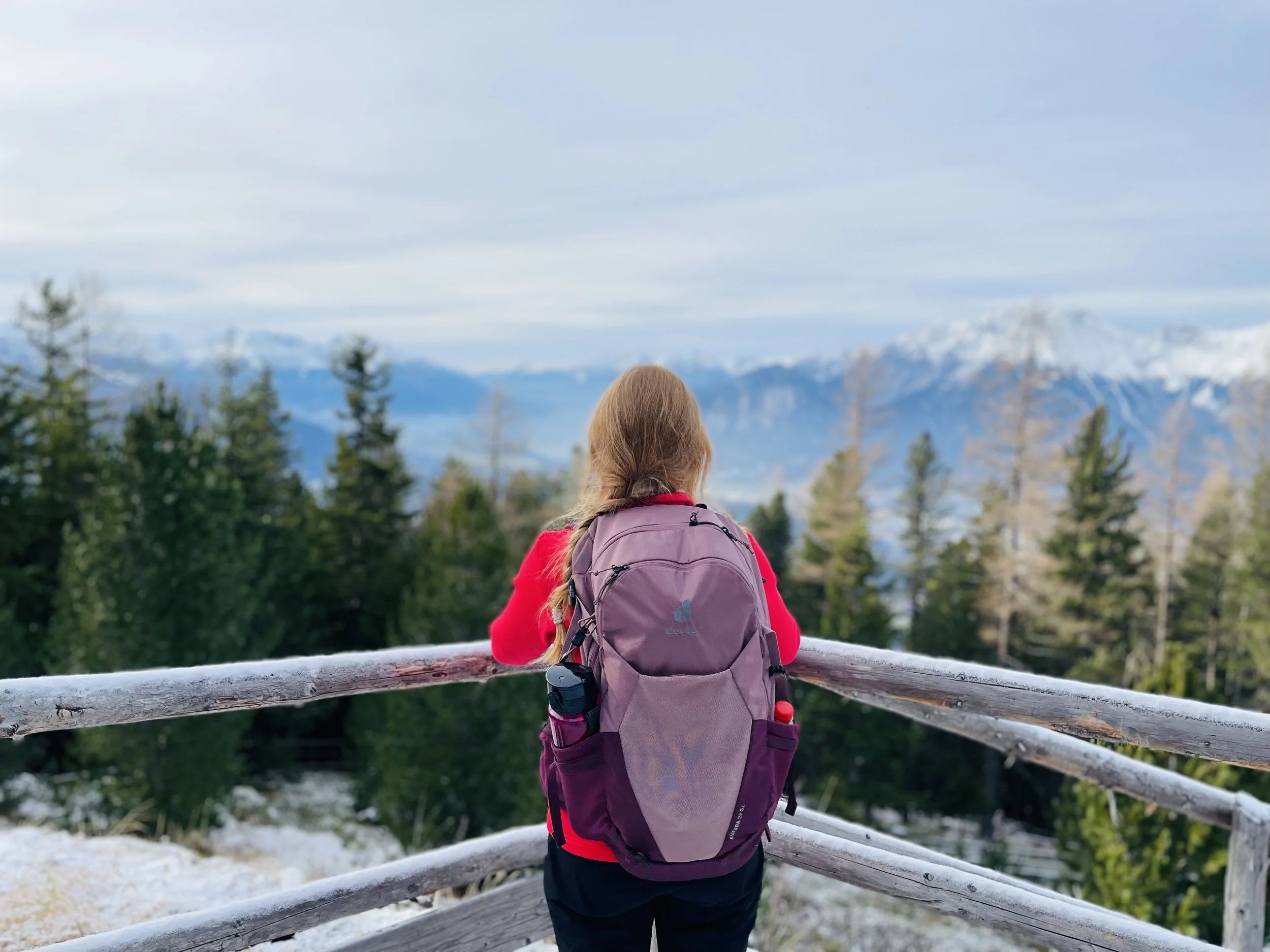
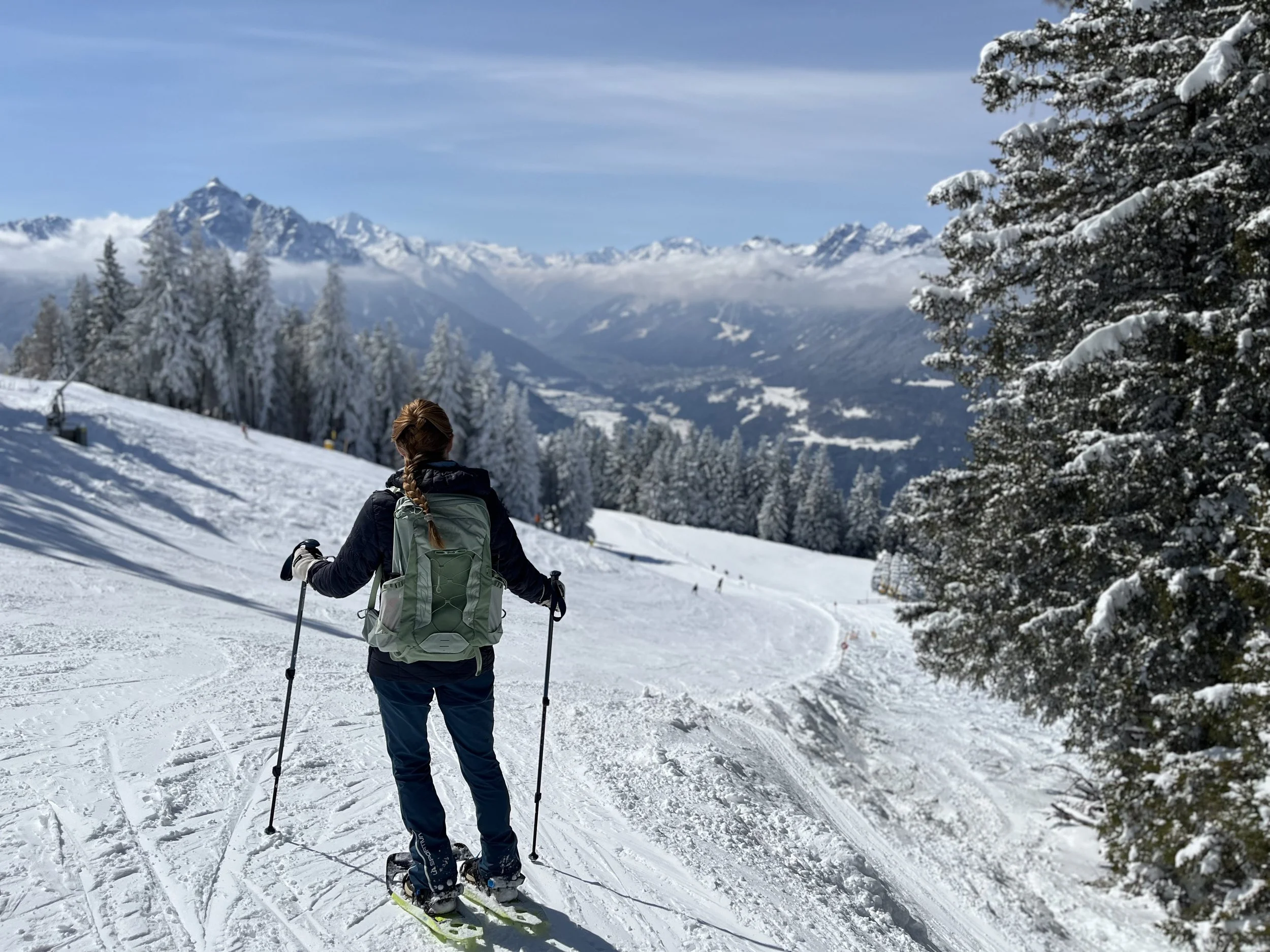
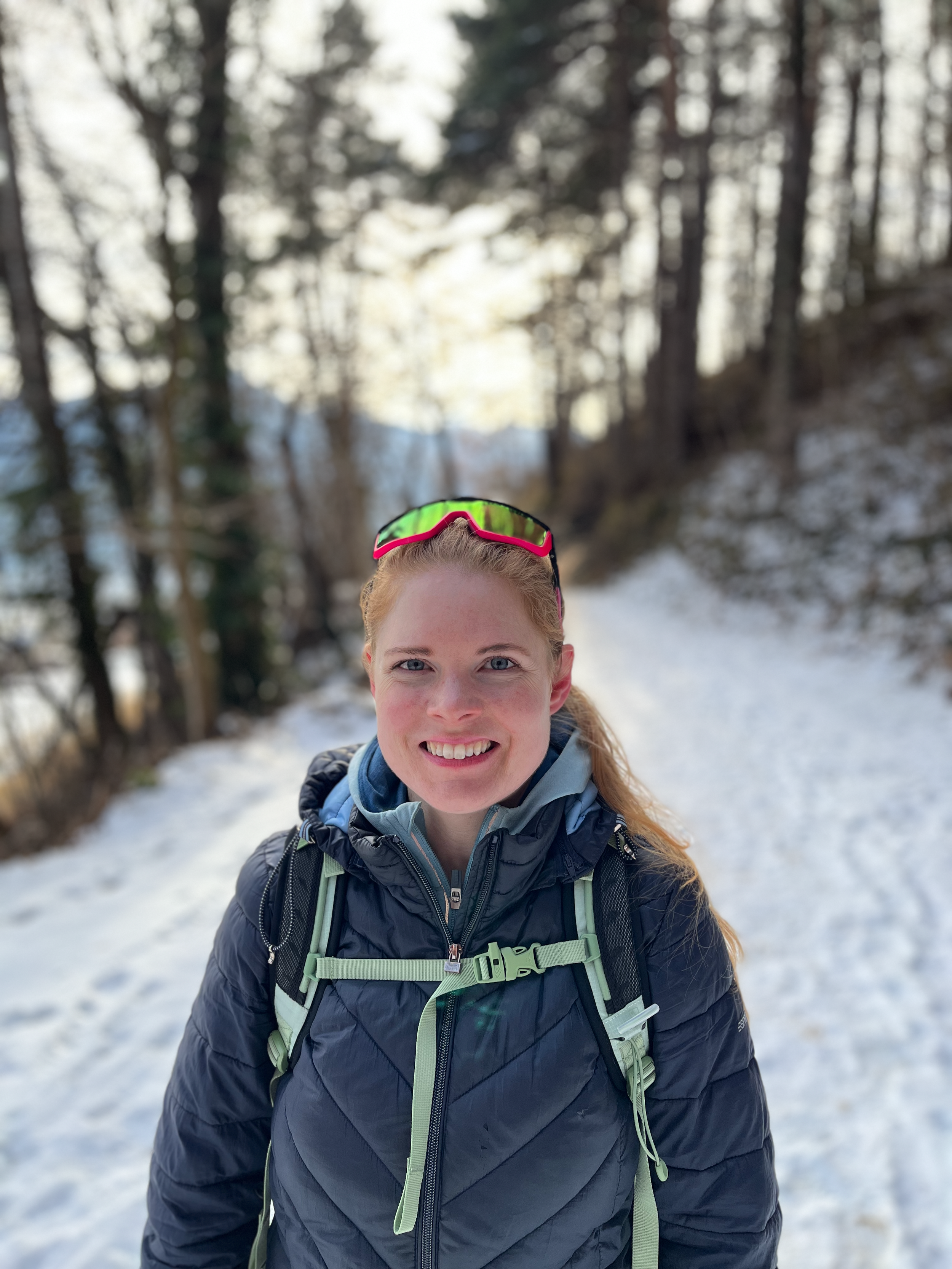
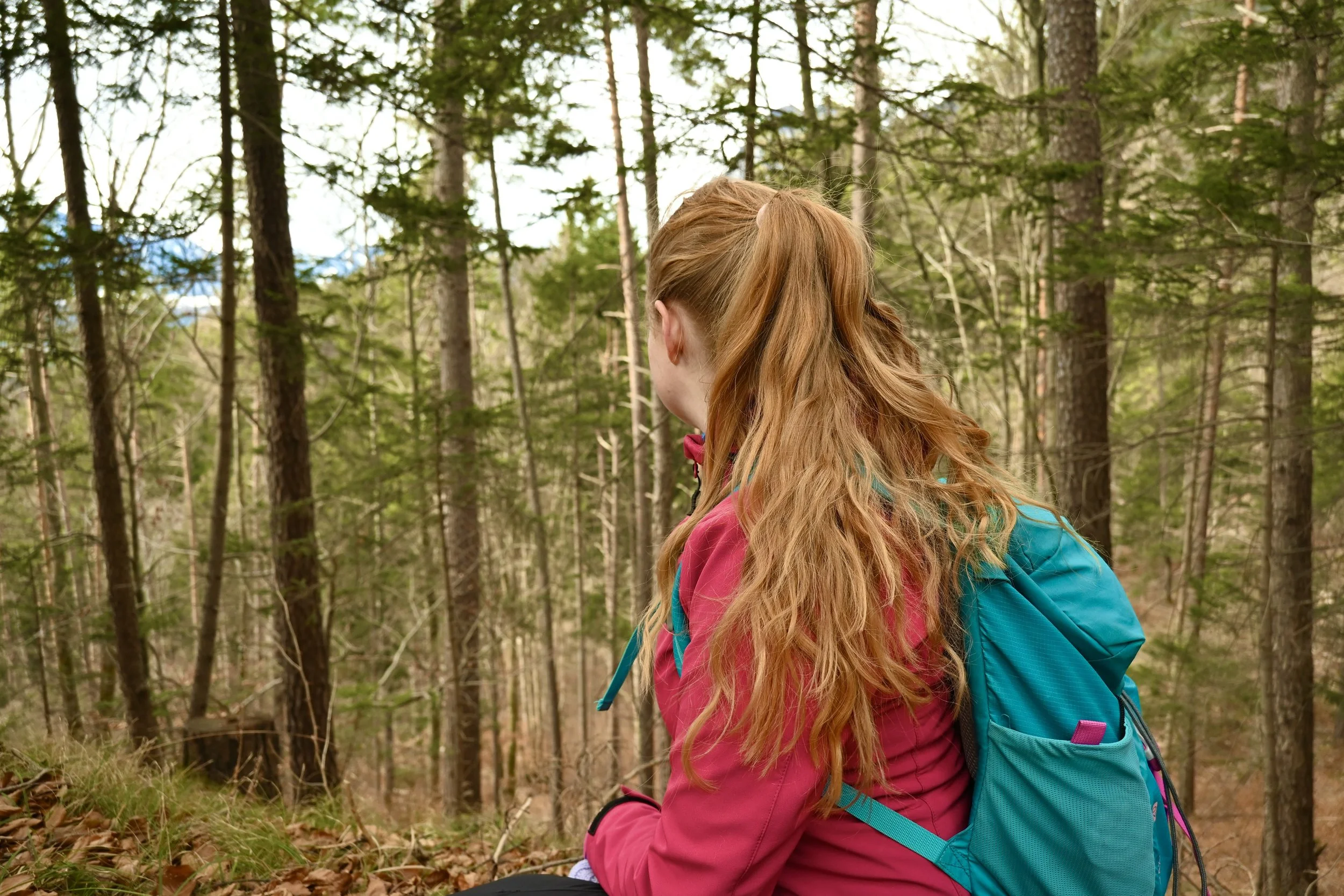
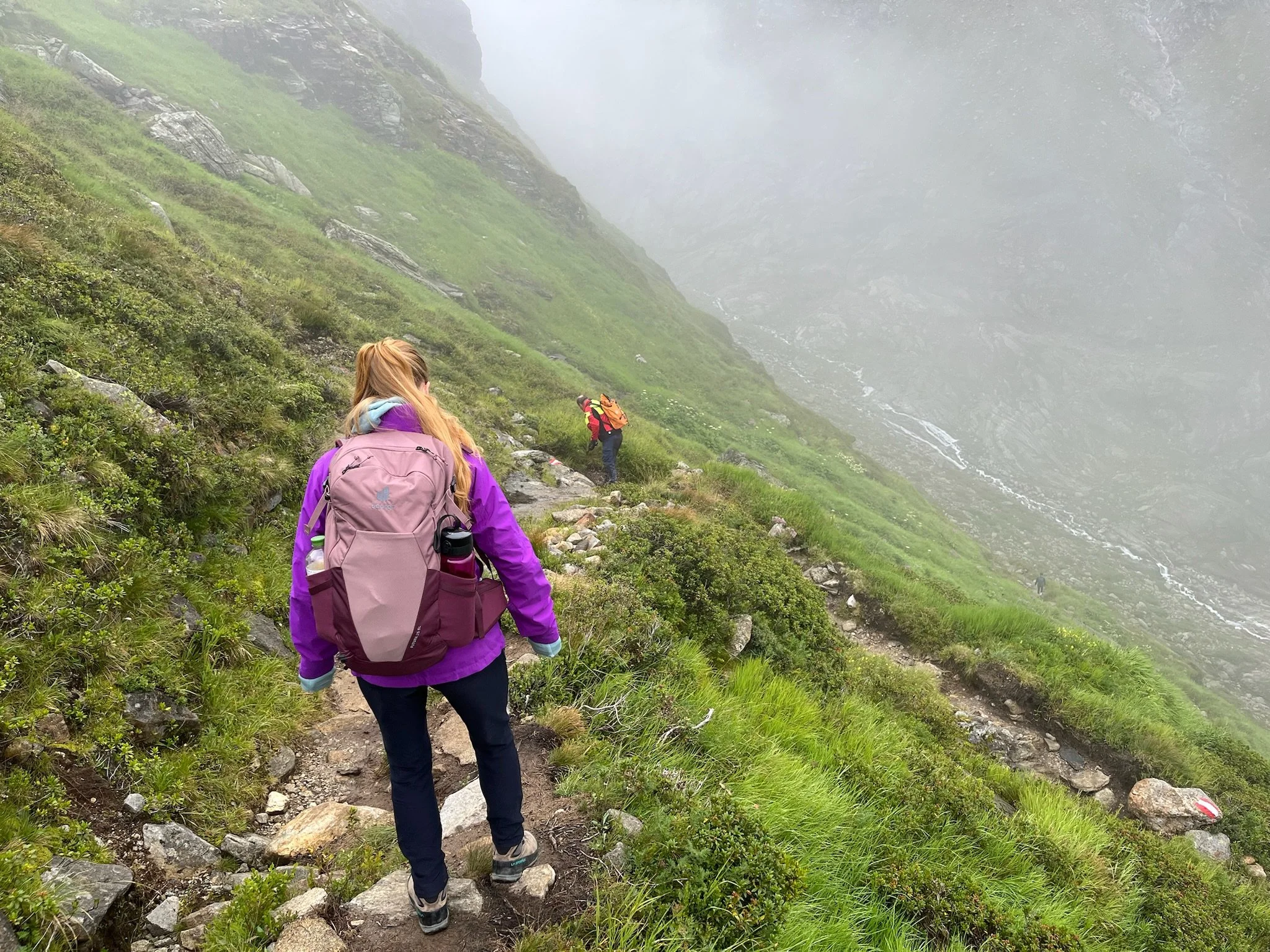
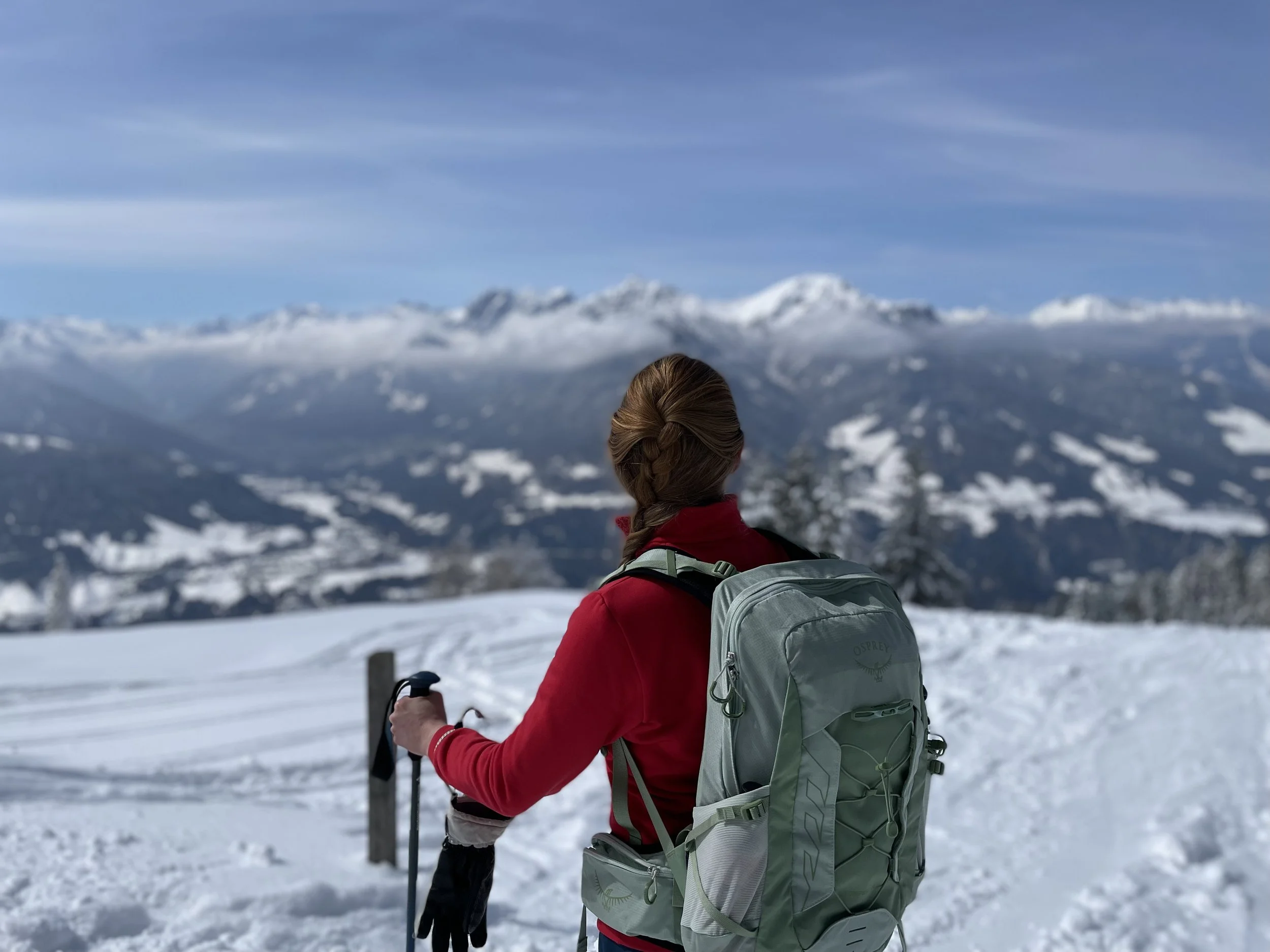
I wear my pink softshell, blue puffer jacket and midlayers the most on outdoor adventures in the Alps.
The complete guide to hiking jackets for alpine hiking
The main job of a outdoor jacket is to protect you from the elements: rain, wind, snow or cold. But there is more to it. The jacket should also help regulate your body temperature, fit you well and feel comfortable.
There are many factors to consider, starting with your personal preferences and how and where you like to hike. You might like a jacket with pockets so you have easy access to your phone and snacks. You may want a jacket that packs up very small or has a hood. And of course, last but not least, something that looks great on you. Once you know what you need for your hiking conditions, you can make a wishlist of your must-haves and nice-to-haves in a hiking jacket.
If you can, choose a bright coloured jacket. The intensity of the colour makes you more visible when crossing a road or hiking in dangerous conditions. It means that helicopters and rescue teams will have an easier time spotting you in the dark in a forest or on top of a snow-covered mountain. Now that we got the utmost priority out of the way — safety — what else should you look for in a hiking jacket?
How to regulate your body temperature while hiking
Are you a sweaty person? Don’t buy a thick jacket — you will regret it walking uphill after one minute. The biggest difference between your hiking jacket and hiking trousers is sweating. Usually, the upper body sweats a lot more than the lower body, and we should take that into account when choosing our outfits for the day. The right hiking jacket helps regulate your body temperature, by being breathable, perfectly right for the circumstances and easy to put on or take off.
Do you hike year round? One hiking jacket will probably not be enough. In the next paragraph I will talk about the different hiking jackets and which one you should choose if you only have the budget for one.
More ways to regulate your body temperature
There are multiple ways to regulate your body temperature.
Firstly, wear a sweat-wicking baselayer. In cold temperatures, choose something made from merino wool. This fabric absorbs sweat but does not make you cold like polyester sometimes can. In the summer you can wear polyester, as it is often warm enough outside.
Are you high up in the mountains? Keep in mind that it can cool off very fast when you gain altitude, when there is cold wind, when it is later in the day or when the sun goes down. Always bring an extra dry baselayer or an extra sweater, even if it is the middle of summer.
The second thing you can do to regulate your body temperature is to start the hike as if it is 10 degrees warmer. This means keeping your warmest layers in your backpack and wearing only your baselayer (and a midlayer in winter). Usually you will get warmer after about 5 to 10 minutes of walking uphill. This way you avoid unnecessary sweating and having to stop to put your jacket in your backpack.
The third thing you can do to regulate your body temperature better is to walk more slowly. This may sound strange, but if you are always panting like a dog, you may simply be walking too fast. Slow down, enjoy your surroundings and enjoy the movement. Hiking is not a race.
Types of hiking jackets explained
Let’s look at the different types of hiking jackets. After that, I will give you my advice on when to wear each type of jacket.


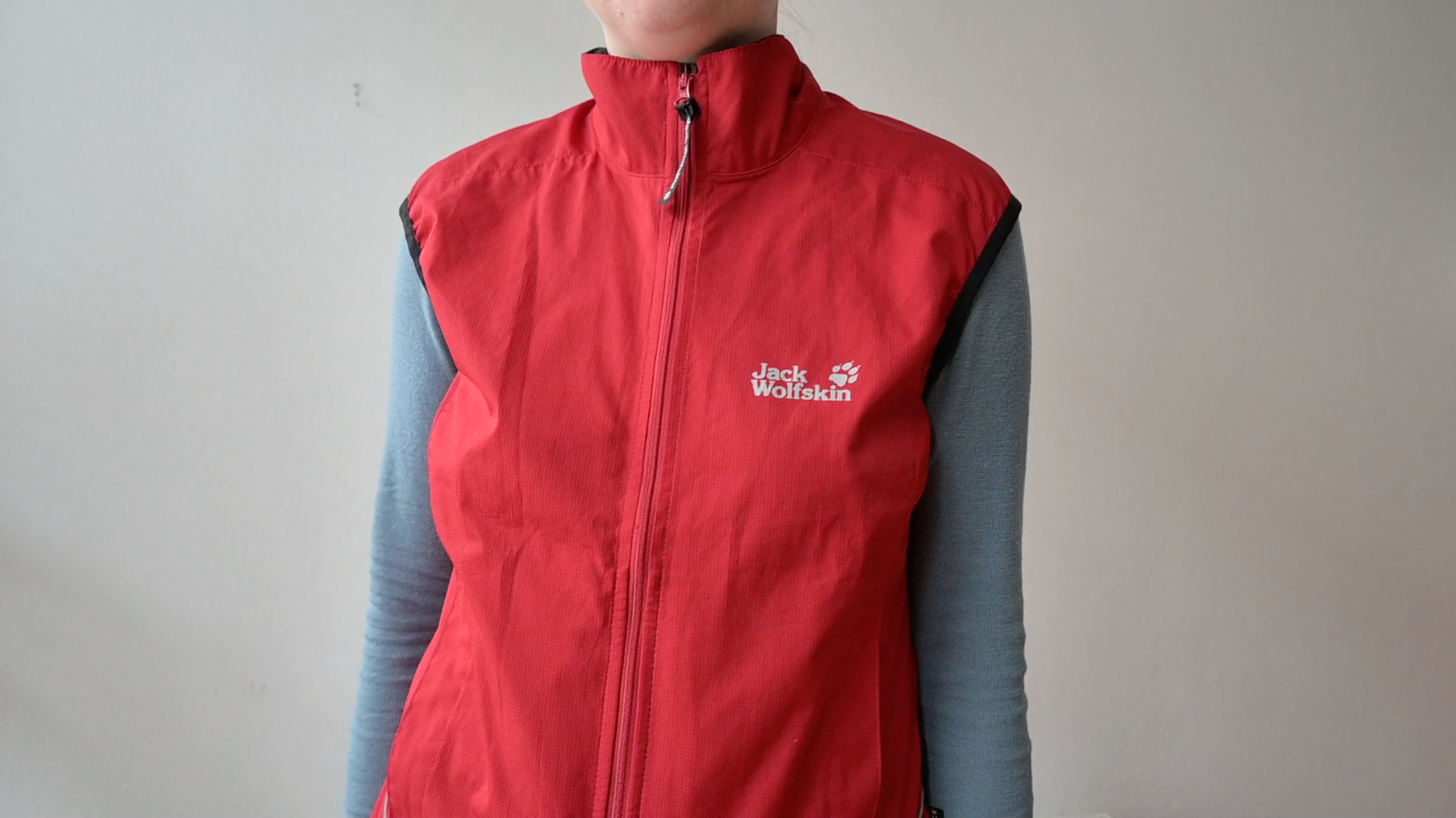
From left to right: hardshell, softshell, midlayer with integrated bodywarmer and bodywarmer.
Hardshell hiking jackets
The hardshell is a waterproof and windproof jacket. Usually it is very light and packs up very small, so it is easy to bring with you on every hike.
The hardshell is not very breathable, which means it can become extremely sweaty. Sometimes hardshells have armpit zips, which sounds amazing and is something I would personally add to my wishlist if my current hardshell ever breaks down.
The hardshell is a jacket you should always have with you. It is usually not very pleasant to wear, but it does keep you from getting completely soaked. A must-have in everyone's Alpine hiking wardrobe.
Buy the hardshell one size bigger so you can easily fit an extra layer underneath.
Upsides
very light and packs up super small
keeps you dry
Downsides
not breathable, very sweaty
does not give warmth
Softshell hiking jackets
If you can only choose one jacket to wear on your hikes in the mountains from winter to summer, go for a softshell. The softshell is the one jacket that does almost everything. It keeps you warm, it is breathable, it blocks the wind, it dries quickly and it can handle a little bit of water.
The only downside is that a softshell is not 100% waterproof. If you are expecting rain, bring a hardshell rain jacket or something like a poncho.
There are insulated and non-insulated softshells. Some softshells have a layer of fleece inside the jacket. This is nice for walking in winter temperatures because it adds some warmth, but not as much as a fully insulated jacket. However, it also means that this softshell might be too warm in spring. So it is up to you to decide what kind of softshell you need.
Upsides
very light and packs up small
keeps you dry in light rain
easy to buy in every budget
great jacket for casual outings
Downsides
not waterproof
can be more difficult to store away than a puffer or hardshell
too warm in spring and summer
The Puffer (insulated jackets)
The puffer gives maximum warmth for minimal weight. The puffer is filled with either down or — as a vegan alternative — Primaloft.
Just like the softshell, the puffer comes in many colours and varying thicknesses and is easy to buy from most outdoor and regular clothing brands.
The puffer is usually not something you wear while hiking uphill, unless it is extremely cold. It is something you put on when you are taking a break and cooling down quickly or when going downhill.
Tip: Down puffers should not get wet. When wet, the jacket will not keep you warm until it dries again. A puffer filled with Primaloft or other synthetic materials handles moisture better.
Upsides
very warm
packs up small
easy to buy in every budget
great jacket for casual outings
Downsides
not waterproof
often too warm for hiking
Fleece midlayers
Fleece is a category of midlayers that you can also wear as an outer layer. Having a breathable midlayer over your baselayer is a great investment, as a jacket is often too warm while hiking uphill.
There are many different types of midlayers: wool vests, fleeces with built-in insulation, or sports hoodies. Choose something that feels comfortable in a colour and material you like. A hood can be practical for extra warmth or light rain.
Upsides
can be worn all year
easy to buy in every budget
can be worn as a midlayer or jacket
Downsides
not waterproof
dries slowly
The windbreaker hiking jackets
The windbreaker is a jacket that does exactly that: block the wind from your body. It is not meant to provide warmth and it is usually not waterproof. Sometimes it is breathable, sometimes not so much.
I personally would choose a bodywarmer over a windbreaker, as that allows more airflow.
Upsides
super light layer, easy to pack
Downsides
not waterproof
sometimes not breathable
Bodywarmers (insulated vests)
The bodywarmer is an item you can wear all year long in different ways. I wear it in summer over a T-shirt when it is warm but windy. The bodywarmer keeps the wind from going directly through me.
That said, my current one is not very comfortable, as it makes me very sweaty and is not breathable at all. Maybe I just have a bad one.
You can also wear a bodywarmer as an extra midlayer when it is cold, or instead of a midlayer when it is warm. Or wear it over a fleece in the fall when it is dry and sunny. There are many types of bodywarmers. Some contain merino wool, some are fully insulated and some are extremely thin.
Upsides
can be worn all year round
easy to carry because it is light
dries fast
Downsides
does not have a hood
you will still need extra layers in case of cold or rain
Layering for different alpine weather conditions
Choosing the right hiking jacket for alpine weather depends largely on the temperature and wind conditions you expect during your hike. In all these examples I assume that you are hiking at least 500 meters up and down. When going up, you will get hot quickly. When going down, you return closer to your normal body temperature.
Expect to shed layers quickly when going uphill and put everything back on when descending. Always bring your hardshell jacket if you think it might rain, because that is the only layer mentioned above that is fully waterproof.
When it is very cold (−5°C and colder)
Wear a baselayer, a midlayer and an insulated jacket.
When it is cold (−5°C to 0°C)
Wear a baselayer, a midlayer and an insulated jacket.
When it is cool (0°C to 10°C)
Wear a baselayer, a midlayer and a softshell or bodywarmer.
When it is spring weather (10°C to 15°C)
Wear a baselayer and a softshell, fleece or bodywarmer.
When it is warm (15°C to 20°C)
Wear a short-sleeve baselayer and bring a bodywarmer for wind.
When it is very warm (20°C to 30°C)
Wear a short-sleeve baselayer and bring a bodywarmer in case of cold wind.
Which hiking jacket should you buy first?
If you do not have any hiking jackets yet and you are going on your first Alpine adventure in winter, spring or fall, I would suggest investing in a non-insulated softshell. This is a layer that can do almost everything.
You do not need to buy something expensive. In my experience, cheaper and mid-range brands make great softshells. The success of a softshell will not depend on its price, but on your midlayers and baselayers. Dress accordingly, always bring an extra warm layer and prepare for rain with a poncho.
If you are hiking in the summer, or you already have a softshell, I would invest in either a good midlayer or a hardshell jacket. The midlayer can be anything as long as it provides some warmth and is breathable. A merino wool vest would be ideal, but it usually comes with a higher price tag.
A hardshell jacket is also a great investment, as you will likely use it all year round.
What really matters when choosing a hiking jacket
There is no single perfect hiking jacket for every situation. The right choice depends on the weather, the season and the type of hike you are doing.
For most hikers, a softshell is the most versatile option and a good starting point. Combined with the right baselayers and midlayers, it can work in many different conditions. As you gain more experience and hike in more extreme weather, you may want to add other layers such as a hardshell or insulated jacket.
In the end, the most important thing is that your jacket keeps you comfortable, protects you from the elements and allows you to enjoy your time in the mountains.